Ancient Wisdom, Modern Science: Hindu Traditions
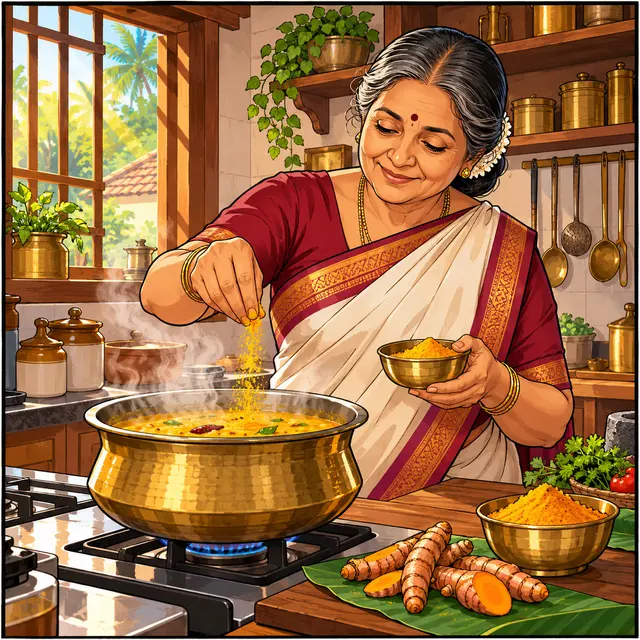 Turmeric: The Golden Spice of Every Hindu HomeHindu kitchens have always cooked turmeric with black pepper and ghee. Science found only in 1998 that pepper raises the body's uptake of turmeric's key compound about 20 times. Here is the tradition and the research.Read →
 Tamra Jal: Water Stored in a Copper PotIndian homes have long stored drinking water overnight in copper pots. A 2012 study found that 16 hours in copper killed the bacteria that cause diarrhoea and cholera. Here is the tradition and the research.Read →
 Ekadashi: The Fortnightly FastHindus have fasted on Ekadashi, twice a month, for centuries. Today science studies the same rhythm as intermittent fasting, and the cell-recycling process that fasting switches on won the 2016 Nobel Prize.Read →
 Yoga and Surya NamaskarSurya Namaskar and yoga come from ancient India. Today hospitals study them, the United Nations gave yoga its own day, and research finds real benefits for back pain, blood pressure and stress.Read →
 Pranayama: The Science of Slow BreathingOur sages taught that slowing the breath calms the mind. A 2001 study in the British Medical Journal found that chanting a mantra slows breathing to six breaths a minute, the pace that best steadies the heart.Read →
 Dhyana: Meditation That Science Can Now MeasureHindu sages practised dhyana, meditation, for thousands of years. Brain scans now show that meditation changes the brain, and a 2014 review of 47 trials found it helps with anxiety, depression and pain.Read →
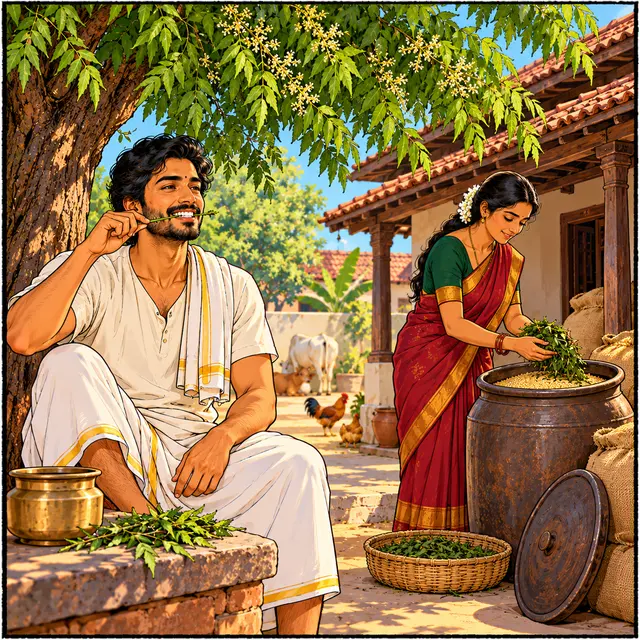 Neem: The Village PharmacyIndian villages used neem twigs to clean teeth and neem leaves to protect stored grain. Science has found that neem fights tooth-decay bacteria and contains azadirachtin, now a natural insecticide used worldwide.Read →
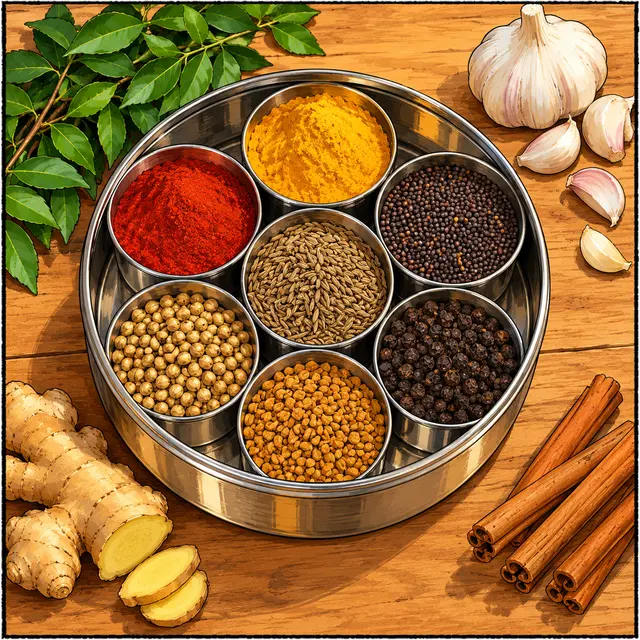 The Masala Dabba: Why Indian Food Is SpicedIndian cooking is famous for its spices. In 1998 Cornell biologists found that hot countries use the most spices, and that common spices like garlic, cumin and chilli stop food-spoiling bacteria.Read →
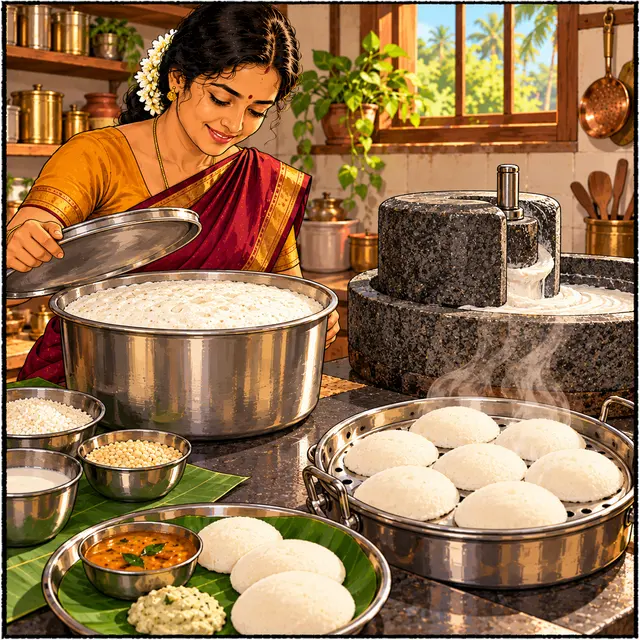 Idli and Dosa: The Wisdom of Fermented BatterSouth Indian homes have fermented idli and dosa batter overnight for centuries. Science shows the natural fermentation adds B vitamins, makes iron and zinc easier to absorb and makes the food lighter to digest.Read →
 Namaste: The Greeting the World AdoptedHindus have always greeted with folded hands instead of touch. Science shows hands are a main route for germs, and in 2020, when handshakes stopped, world leaders greeted each other with a namaste.Read →
Every scientific claim here is backed by published research, listed under Sources. This is general information, not medical advice.

Planning a Tirumala visit? Get an alert when darshan for your dates opens.
Get a Telegram alert when your dates open
Popular dates for ₹300 darshan, sevas and rooms can go quickly. Register and we message you on Telegram when your dates open, and again when cancelled tickets come back.
Free to register · ₹99 per date watch · You book on the official TTD site
Don't lose your darshan to a refresh button
You plan the Tirumala trip. The ₹300 ticket is the part that slips away.
- You set an alarm, refresh the TTD site at release time, and your dates are already gone.
- The train is booked and leave is approved, but the darshan ticket isn't.
- Touts and fake sites ask far more than the official price for a 'confirmed' ticket.
₹99 + GST
₹116.82 in total per date you watch. Signing up is free.
That's about the price of two cups of filter coffee.
Compare that with a wasted trip to Tirupati, a lost day of leave, or paying a tout.
🔔 Watch my Tirumala datesFree signup · Pay only when you set a watch · Refund if no alert comes in your window
Independent service. Not affiliated with TTD. All bookings happen on the official TTD website ttdevasthanams.ap.gov.in.