Ancient wisdom, modern science
The Masala Dabba: Why Indian Food Is Spiced
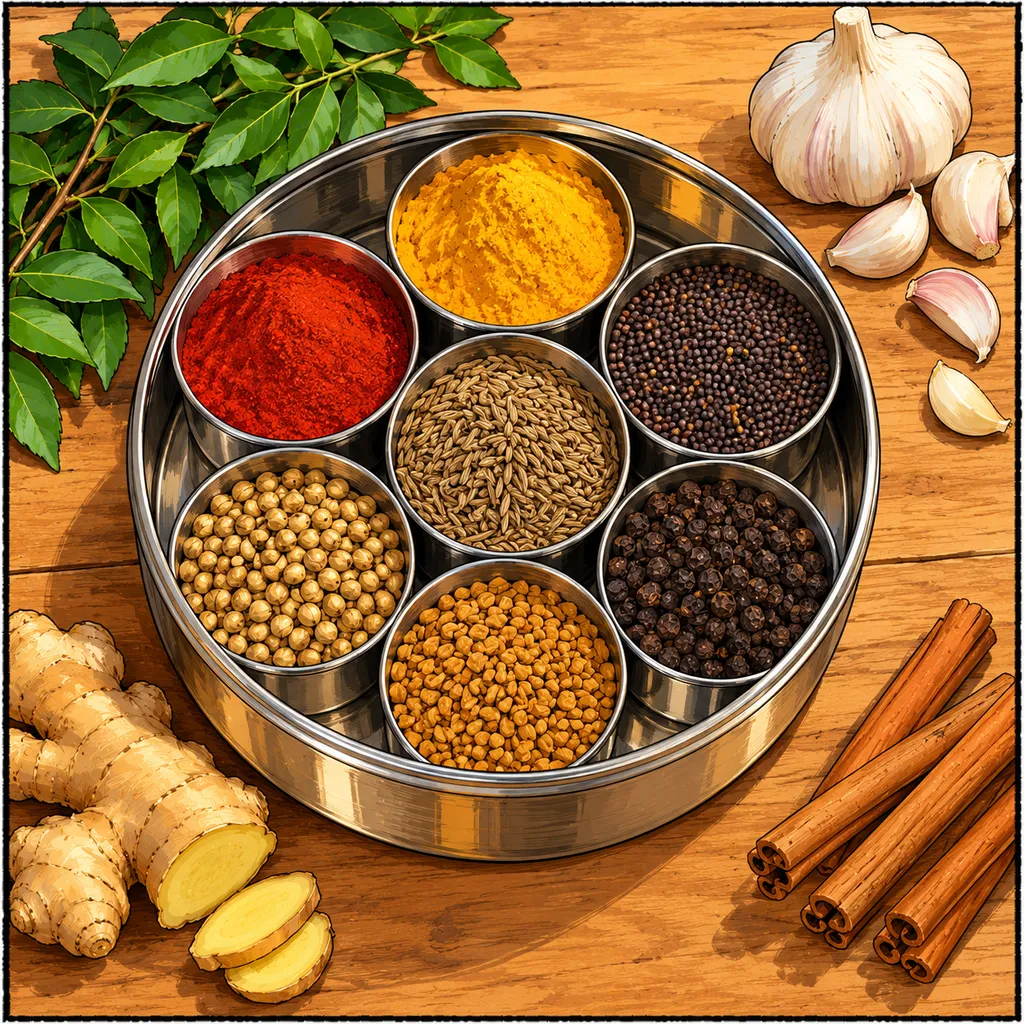
Every Indian kitchen has a masala dabba: turmeric, mustard, cumin, coriander, chilli, fenugreek and pepper, with garlic, ginger, cloves and cinnamon close by. Almost every dish begins with a tadka of spices in hot oil.
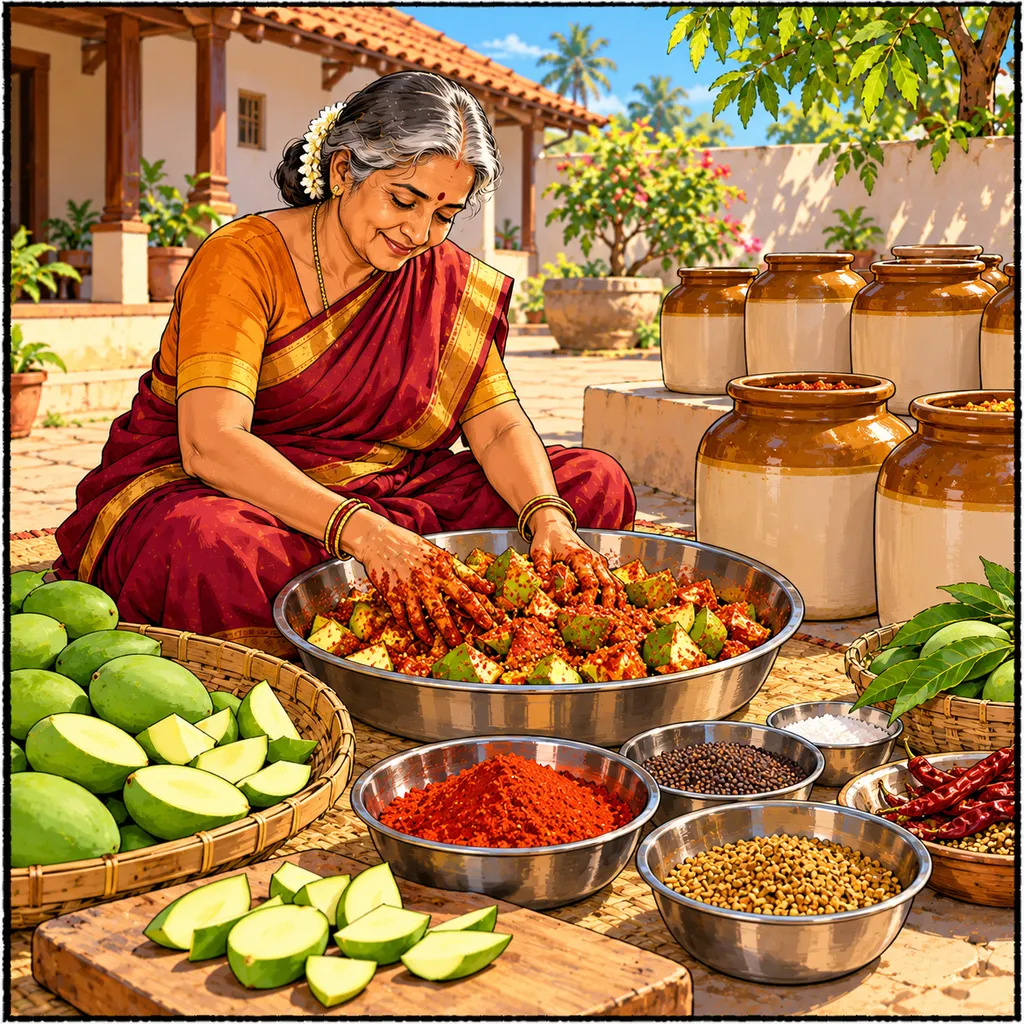
Our ancestors cooked in a hot climate without refrigerators. The recipes they handed down used generous spices in lentils, meat and pickles, and traditional pickles, packed with spice, salt and oil, kept for a year.
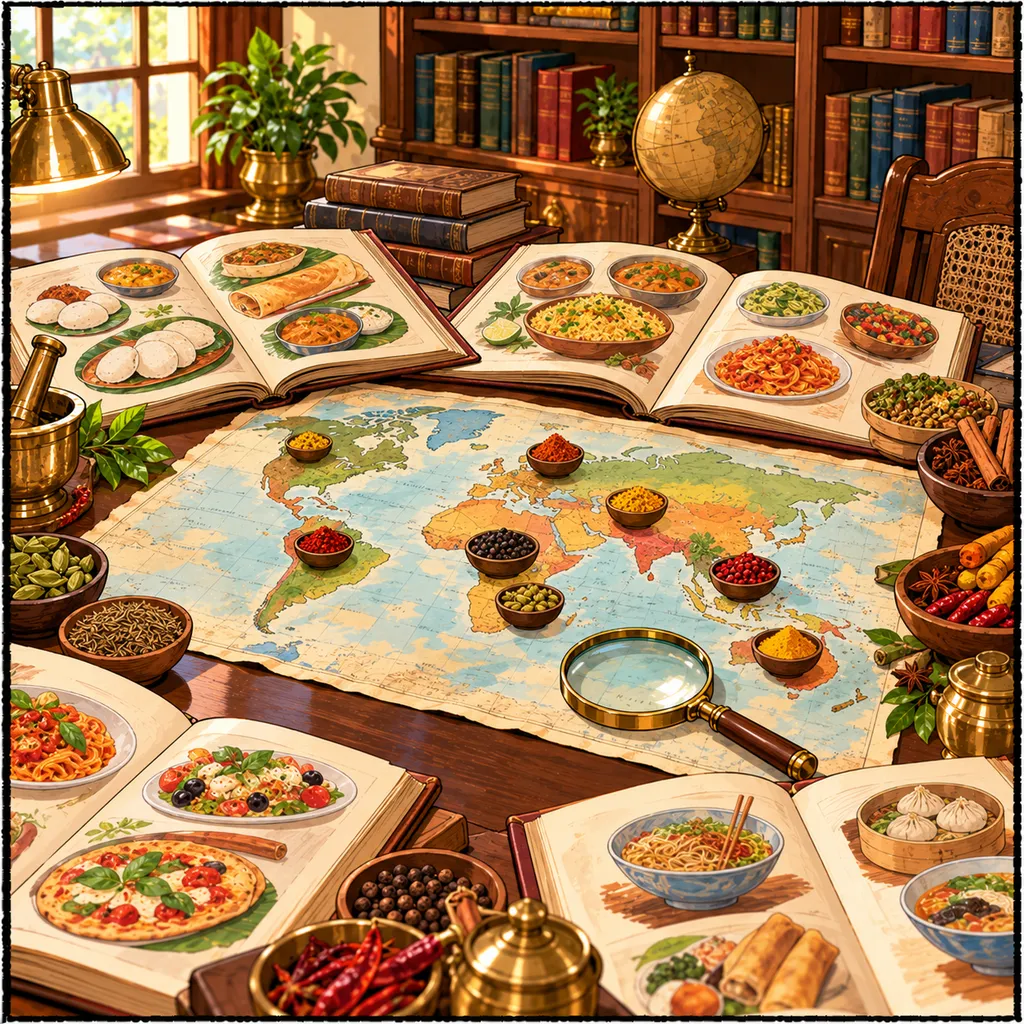
In 1998 Cornell University biologists Paul Sherman and Jennifer Billing analysed traditional recipes from 36 countries. The hotter the country, the more spices its recipes used, and India's cuisine was among the most spiced.
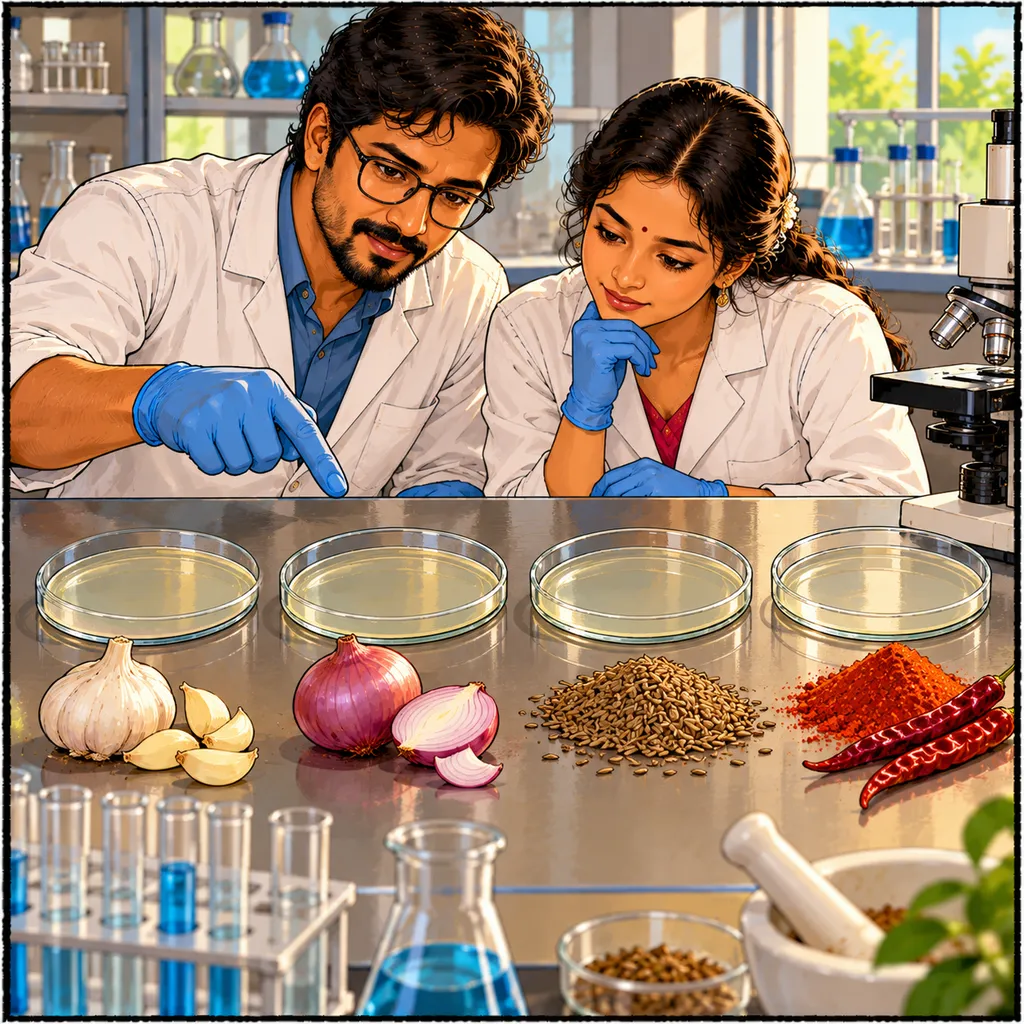
They also checked which spices stop food-spoiling bacteria. Garlic, onion, allspice and oregano stopped every bacterium tested, and cumin and cinnamon up to 80 percent. Their conclusion: spices help protect food in hot climates.
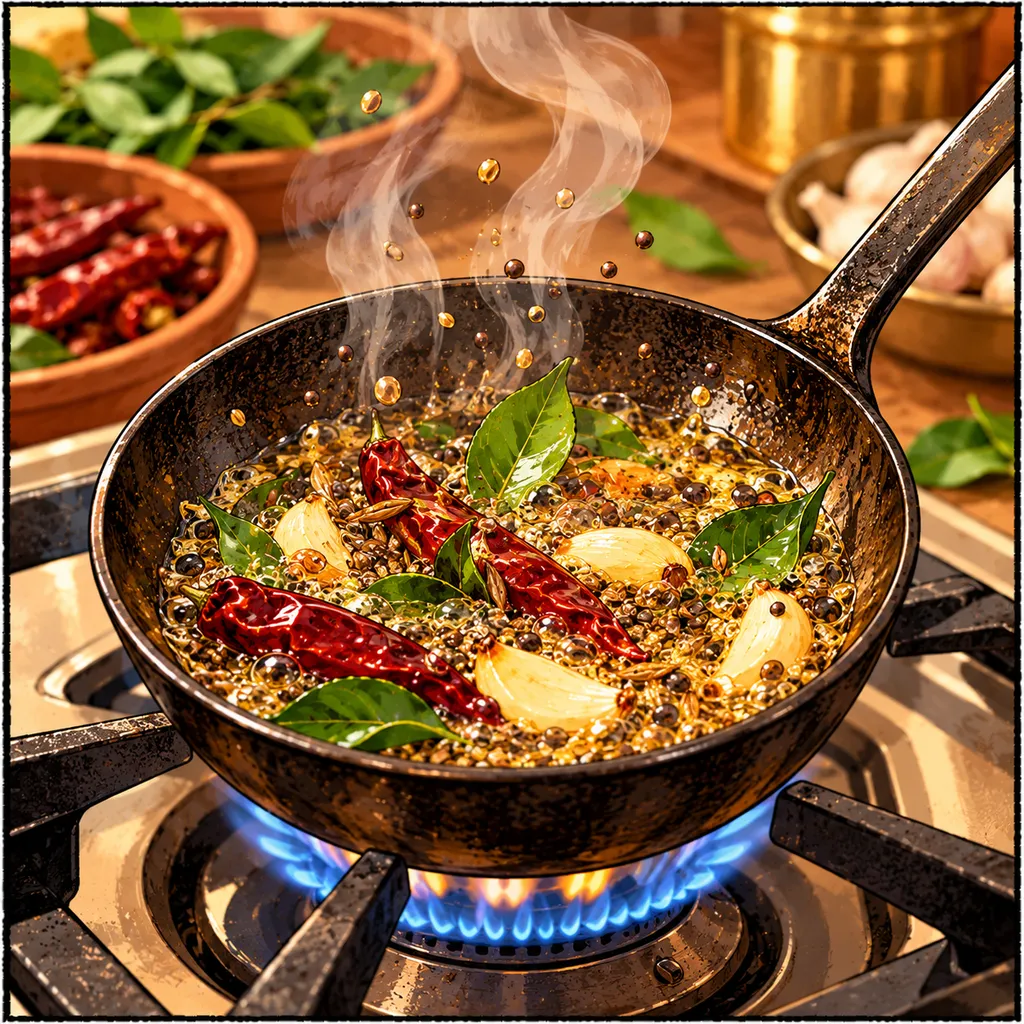
Many spices contain natural antimicrobial compounds: allicin in garlic, eugenol in cloves, cinnamaldehyde in cinnamon and curcumin in turmeric. A tadka spreads their oils and aroma through the whole dish.
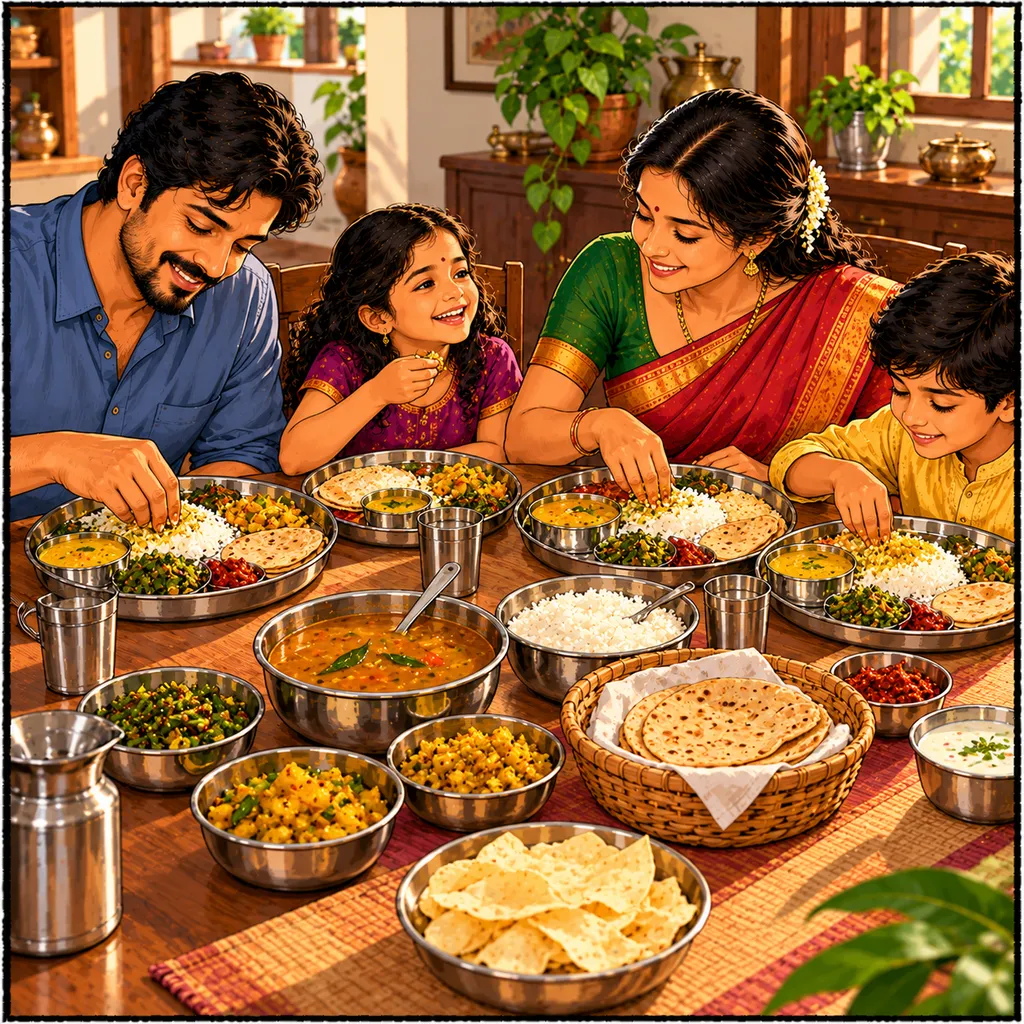
The masala dabba is flavour and food sense together. Spices are not a substitute for safe food handling: keep cooked food covered, refrigerate leftovers and eat food fresh.
Every scientific claim here is backed by published research, listed under Sources. This is general information, not medical advice.
Frequently asked questions
Why is Indian food so spicy?+
Flavour is one reason, and science suggests another: a 1998 Cornell study of recipes from 36 countries found that hotter countries use more spices, and that many spices stop the bacteria that spoil food.
Which spices kill bacteria?+
In the Cornell study, garlic, onion, allspice and oregano stopped every bacterium tested, and cumin and cinnamon up to 80 percent. Turmeric, cloves and chilli also contain antimicrobial compounds.
What is a masala dabba?+
A masala dabba is the round spice box found in Indian kitchens, usually holding turmeric, mustard seeds, cumin, coriander, chilli, fenugreek and pepper for everyday cooking.
Sources
- Billing J., Sherman P. W. Antimicrobial functions of spices: why some like it hot. The Quarterly Review of Biology, 1998; 73(1): 3-49.
- Sherman P. W., Billing J. Darwinian gastronomy: why we use spices. BioScience, 1999; 49(6): 453-463.

Planning a Tirumala visit? Get an alert when darshan for your dates opens.
Get a Telegram alert when your dates open
Popular dates for ₹300 darshan, sevas and rooms can go quickly. Register and we message you on Telegram when your dates open, and again when cancelled tickets come back.
Free to register · ₹99 per date watch · You book on the official TTD site
Don't lose your darshan to a refresh button
You plan the Tirumala trip. The ₹300 ticket is the part that slips away.
- You set an alarm, refresh the TTD site at release time, and your dates are already gone.
- The train is booked and leave is approved, but the darshan ticket isn't.
- Touts and fake sites ask far more than the official price for a 'confirmed' ticket.
₹99 + GST
₹116.82 in total per date you watch. Signing up is free.
That's about the price of a plate of masala dosa.
Compare that with a wasted trip to Tirupati, a lost day of leave, or paying a tout.
🔔 Watch my Tirumala datesFree signup · Pay only when you set a watch · Refund if no alert comes in your window
Independent service. Not affiliated with TTD. All bookings happen on the official TTD website ttdevasthanams.ap.gov.in.