Ancient wisdom, modern science
Idli and Dosa: The Wisdom of Fermented Batter
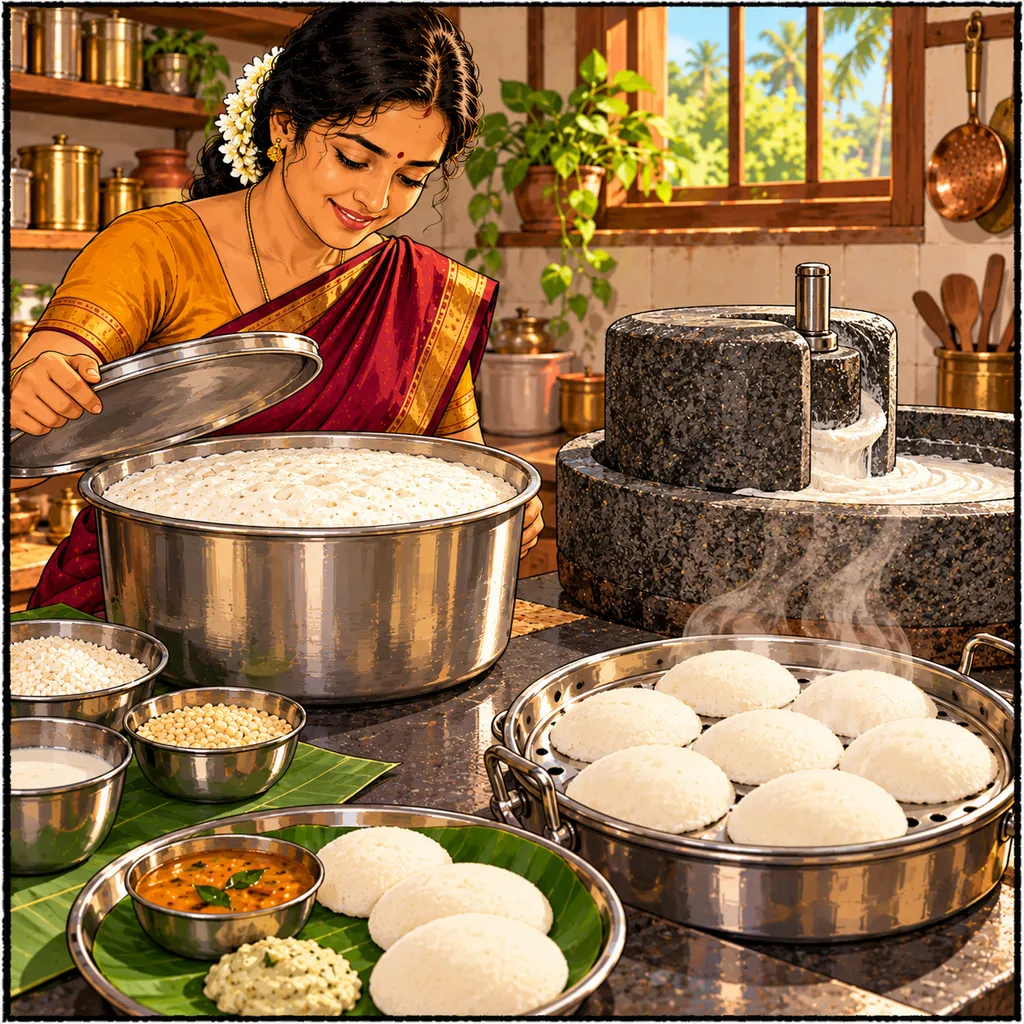
In every South Indian home, rice and urad dal are soaked, ground and left overnight. By morning the batter has risen and turned slightly sour, ready for soft idlis and crisp dosas.
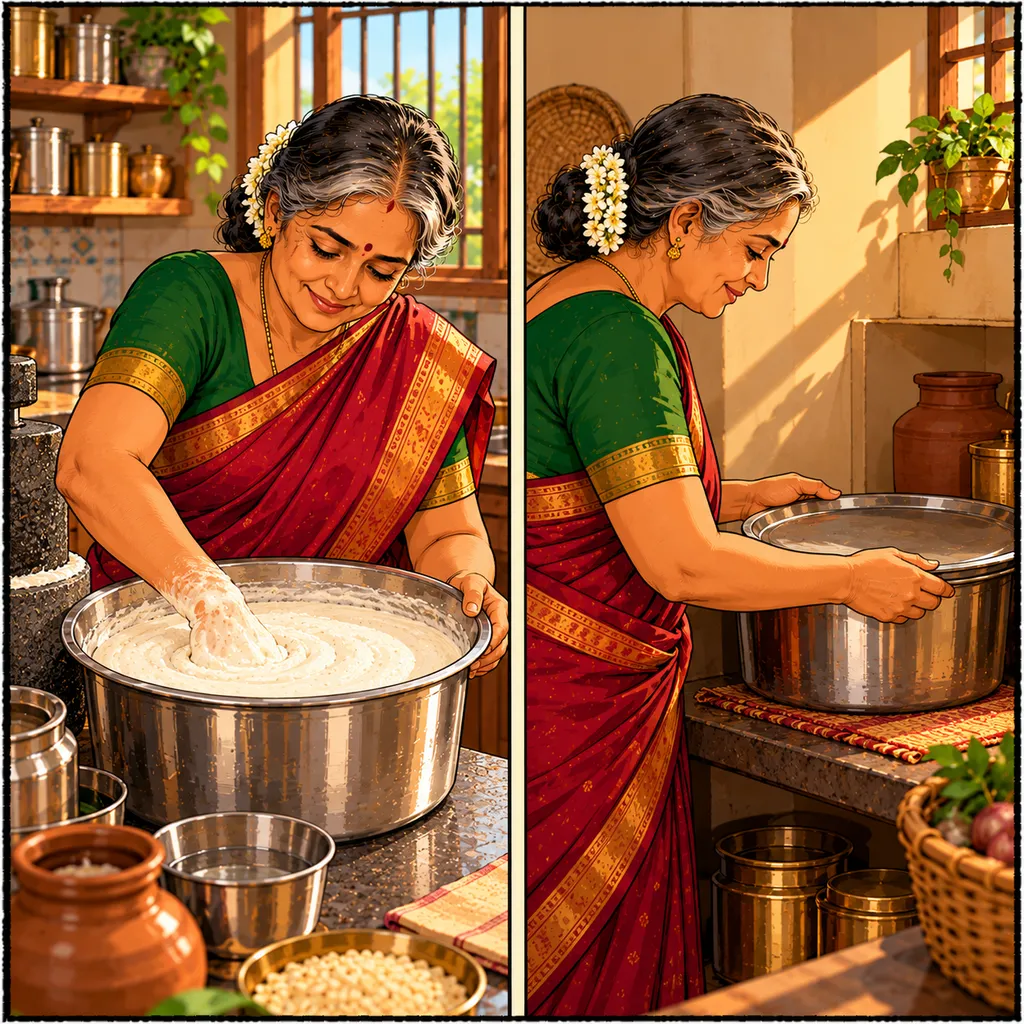
Our grandmothers knew the batter needs warmth, time and a clean hand, and that it must ferment before it is cooked. Dishes like idli appear in South Indian writings over a thousand years old.
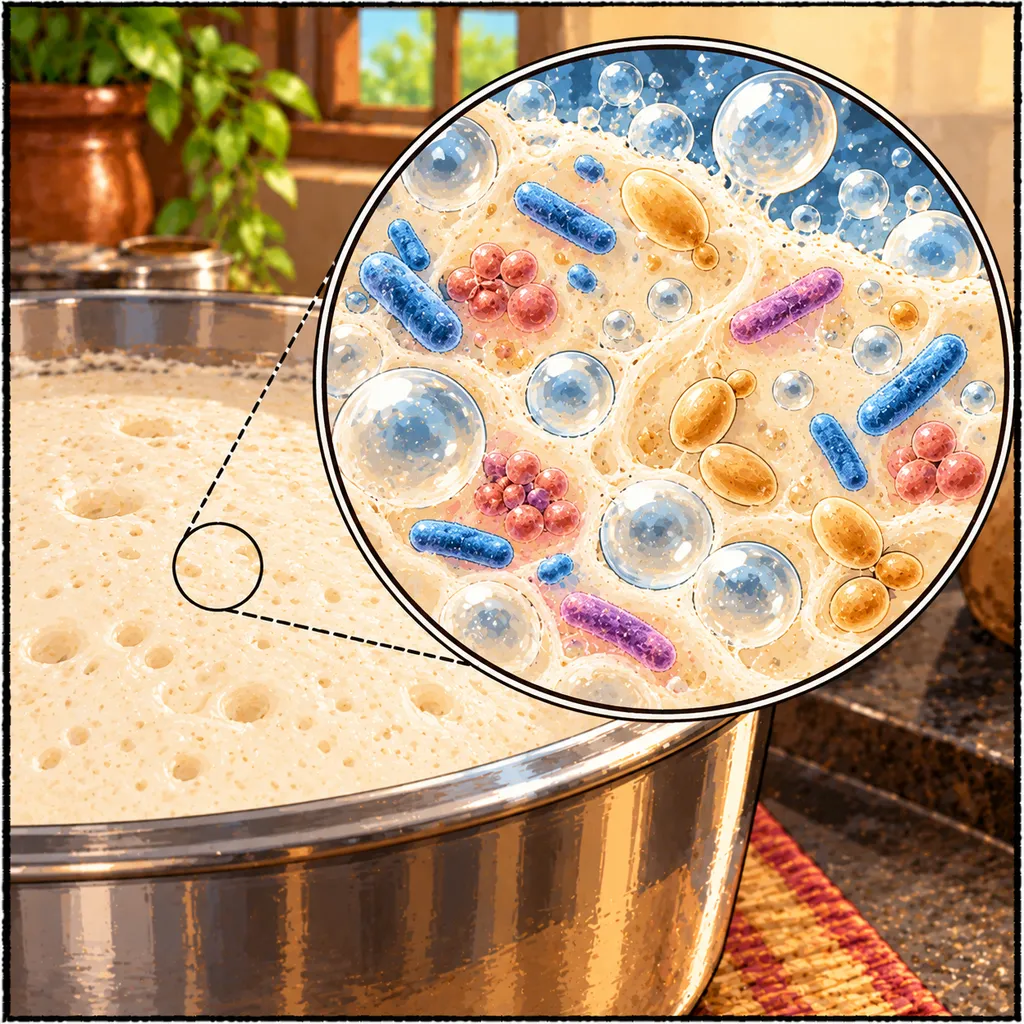
Science now knows the batter is fermented by natural lactic acid bacteria, such as Leuconostoc mesenteroides, together with wild yeasts. They make the gas that lifts the batter and the acid that gives its gentle sour taste.
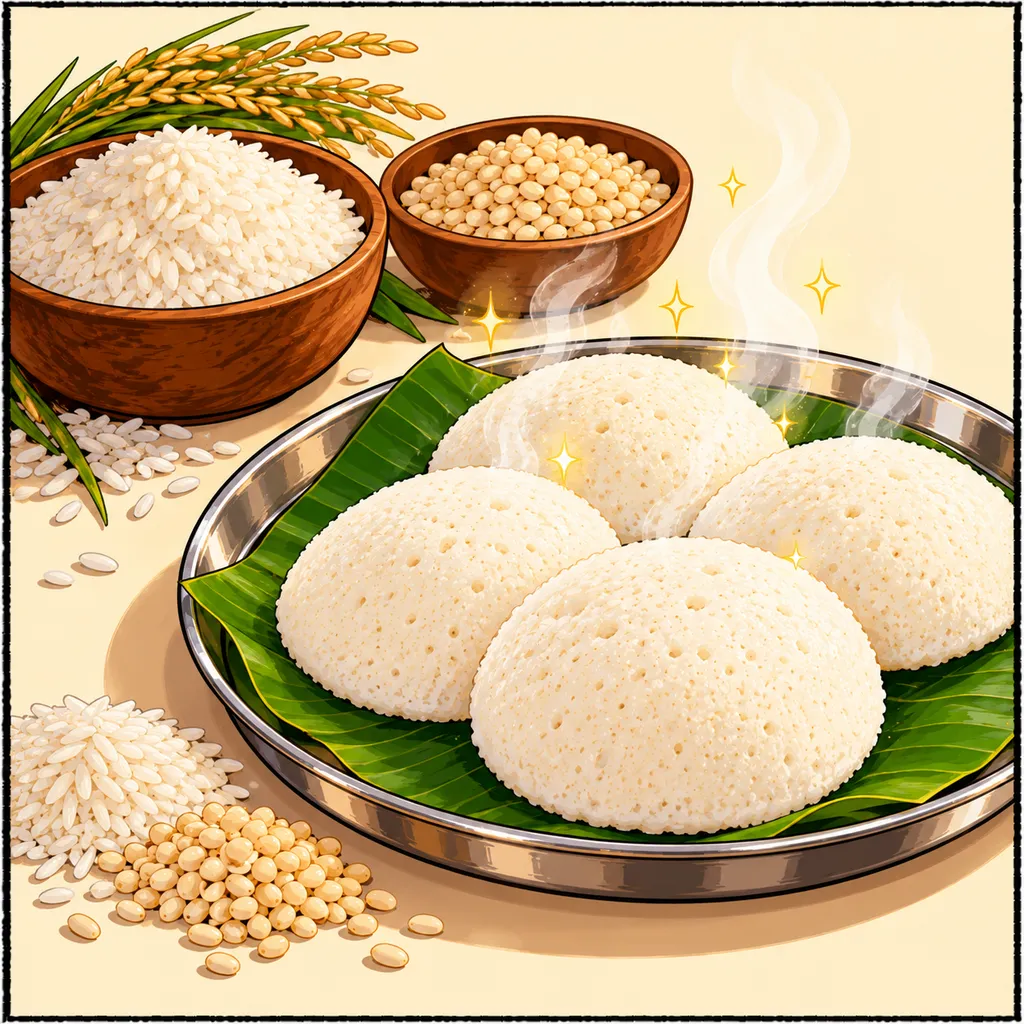
Research on fermented grains and pulses finds that fermentation raises B vitamins, breaks down phytic acid so the body can absorb more iron and zinc, and partly breaks down starch and protein, so the food is easier to digest.
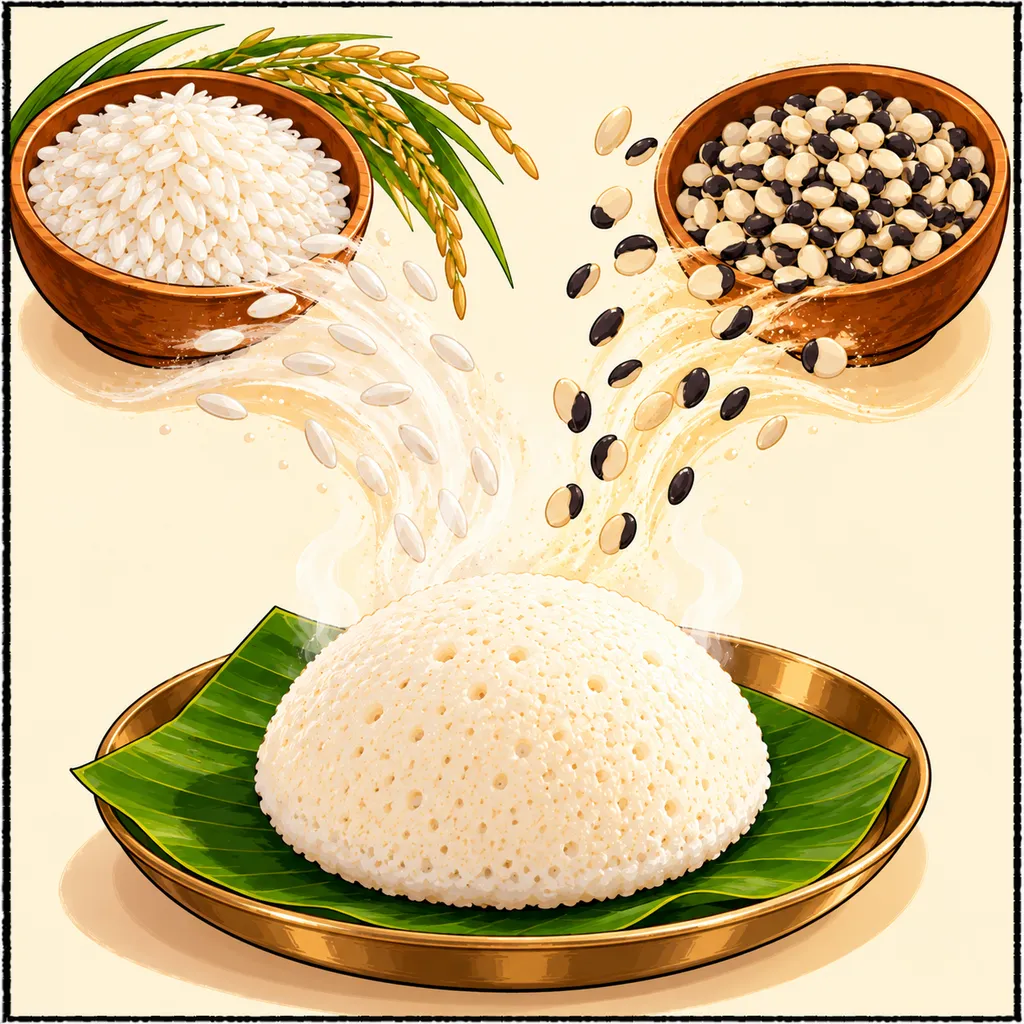
Rice gives starch and urad dal gives protein and the sticky body that traps the gas. Together they make a complete protein, since the dal supplies the lysine rice lacks. Steaming cooks it without oil, making idli one of the lightest breakfasts.
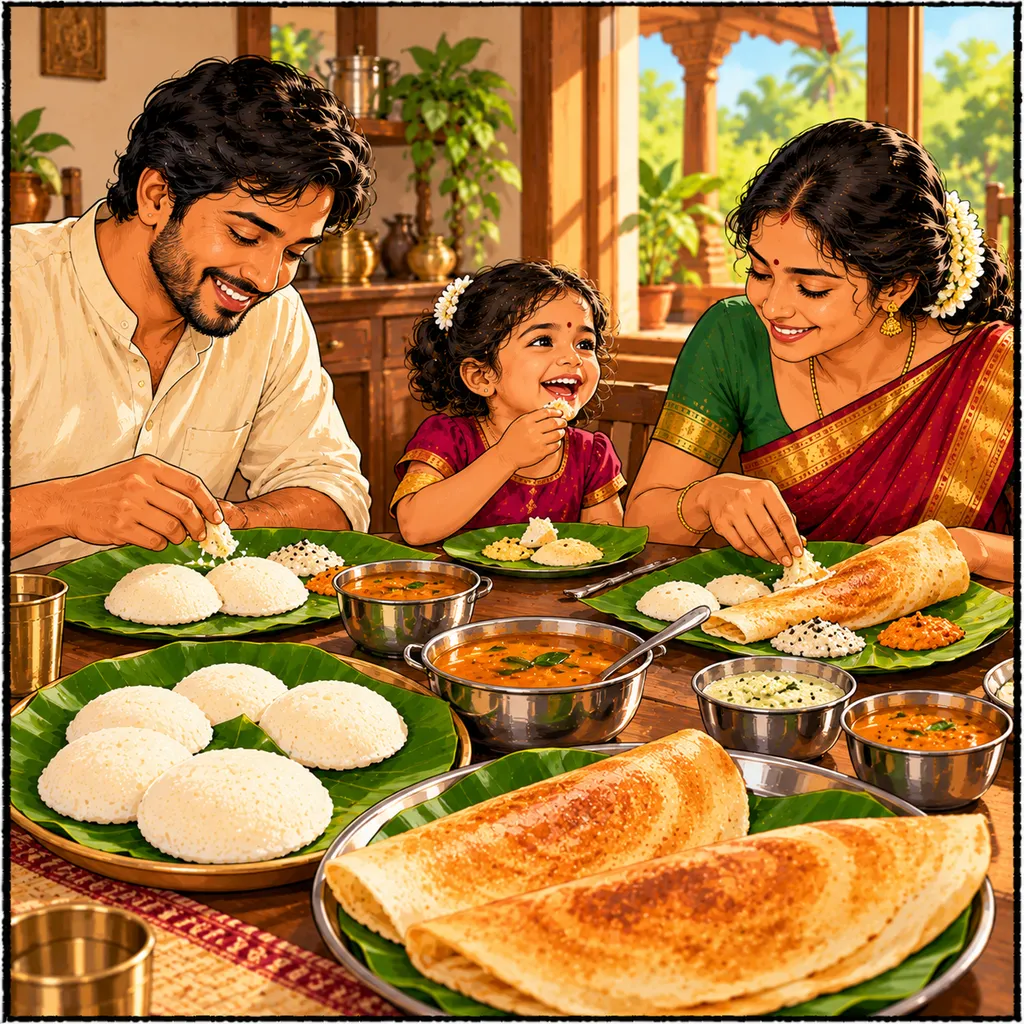
Today the world pays extra for 'fermented' and 'gut-friendly' foods; South India has eaten them every morning for centuries. Ferment your batter at home, use clean vessels and enjoy it fresh.
Every scientific claim here is backed by published research, listed under Sources. This is general information, not medical advice.
Frequently asked questions
Why is idli and dosa batter fermented?+
Overnight fermentation by natural lactic acid bacteria and yeasts makes the batter rise and turn slightly sour. It also raises B vitamins, helps the body absorb iron and zinc, and makes the food easier to digest.
Is idli healthy?+
Idli is steamed without oil, and rice with urad dal gives a complete protein. Fermentation makes it lighter to digest and more nutritious, which is why it is often called one of the healthiest breakfasts.
Which bacteria ferment idli batter?+
Mainly lactic acid bacteria such as Leuconostoc mesenteroides, which come naturally from the rice and dal, together with wild yeasts. They make the gas and the mild acid in the batter.
Sources
- Steinkraus K. H. (ed.). Handbook of Indigenous Fermented Foods, 2nd ed. Marcel Dekker, 1996.
- Nkhata S. G. et al. Fermentation and germination improve nutritional value of cereals and legumes through activation of endogenous enzymes. Food Science & Nutrition, 2018; 6(8): 2446-2458.
- Marco M. L. et al. Health benefits of fermented foods: microbiota and beyond. Current Opinion in Biotechnology, 2017; 44: 94-102.

Planning a Tirumala visit? Get an alert when darshan for your dates opens.
Get a Telegram alert when your dates open
Popular dates for ₹300 darshan, sevas and rooms can go quickly. Register and we message you on Telegram when your dates open, and again when cancelled tickets come back.
Free to register · ₹99 per date watch · You book on the official TTD site
Don't lose your darshan to a refresh button
You plan the Tirumala trip. The ₹300 ticket is the part that slips away.
- You set an alarm, refresh the TTD site at release time, and your dates are already gone.
- The train is booked and leave is approved, but the darshan ticket isn't.
- Touts and fake sites ask far more than the official price for a 'confirmed' ticket.
₹99 + GST
₹116.82 in total per date you watch. Signing up is free.
That's about the price of a garland and a coconut at the temple gate.
Compare that with a wasted trip to Tirupati, a lost day of leave, or paying a tout.
🔔 Watch my Tirumala datesFree signup · Pay only when you set a watch · Refund if no alert comes in your window
Independent service. Not affiliated with TTD. All bookings happen on the official TTD website ttdevasthanams.ap.gov.in.