Ancient wisdom, modern science
Namaste: The Greeting the World Adopted
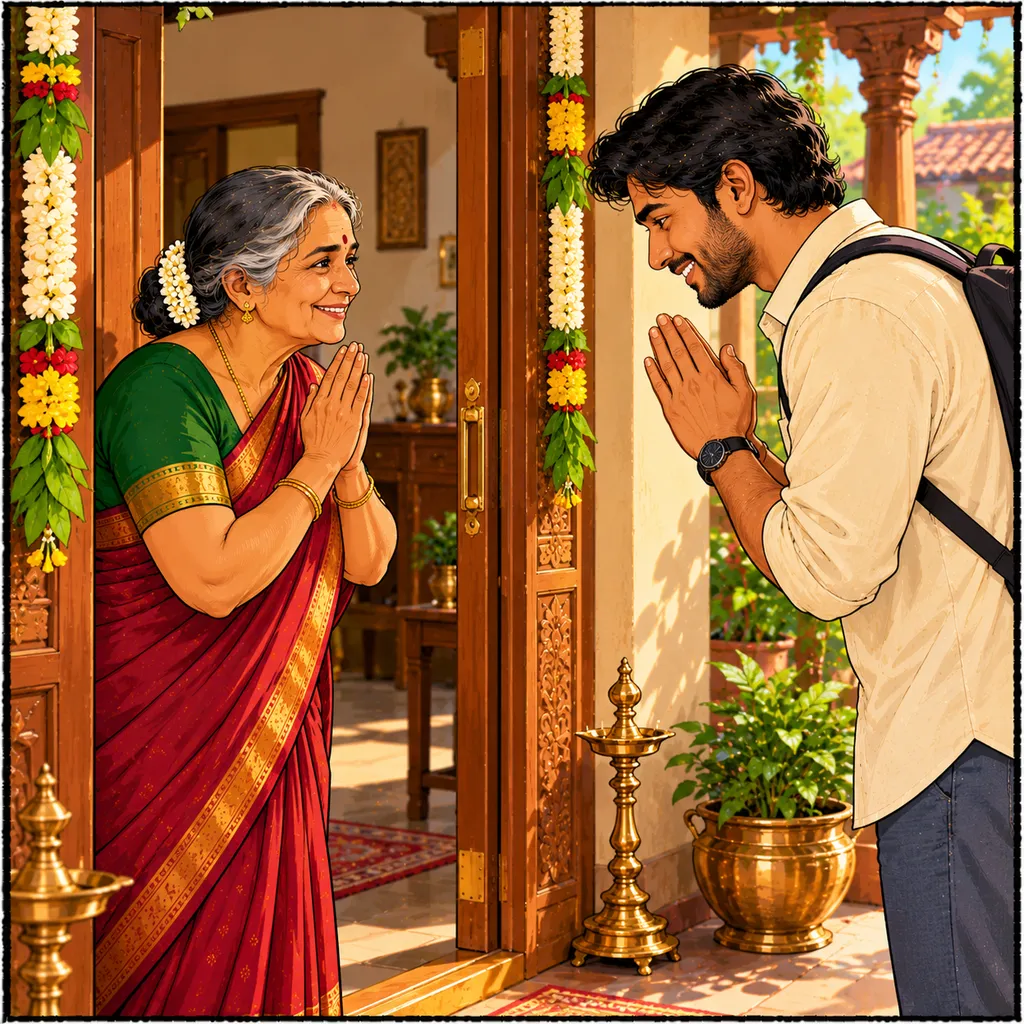
Hindus greet each other by pressing the palms together at the chest, bowing slightly and saying 'namaste' or 'namaskaram'. The same greeting is used for elders, guests, strangers and in prayer.
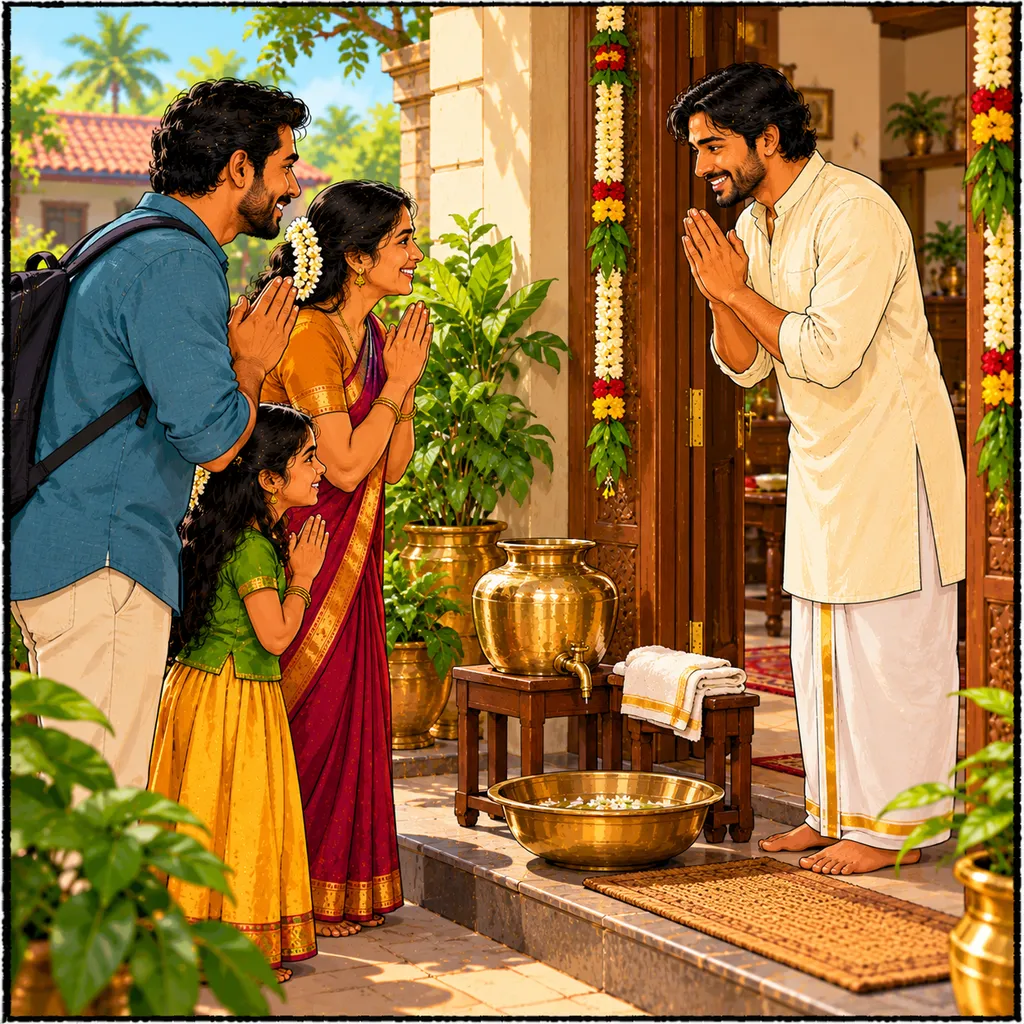
Namaste means 'I bow to you'. It shows respect without any touch, so it works between any two people, at any distance, in any crowd. Our tradition also kept washing hands and feet on coming home and before meals.
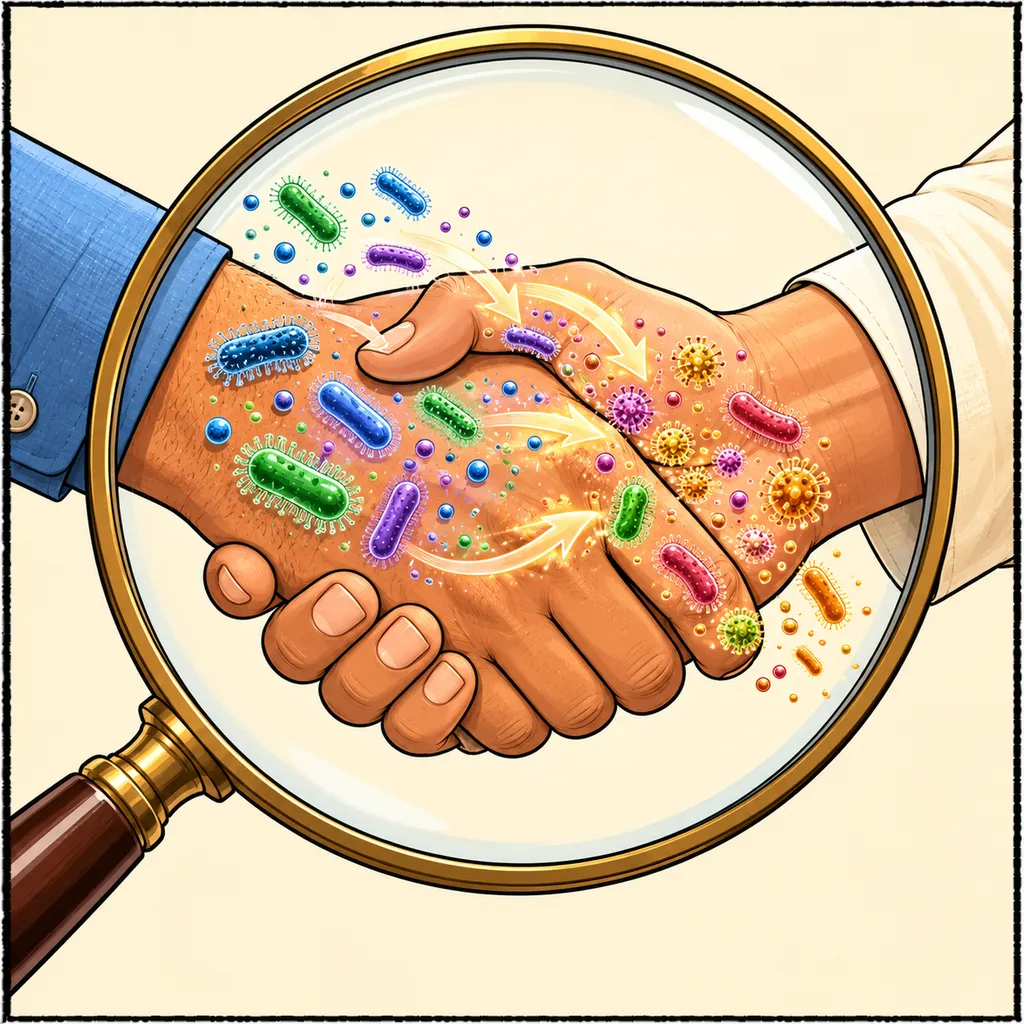
Science has since shown that hands are one of the main routes by which infections spread. A 2014 study found a handshake passes on about twice as many bacteria as a high-five, and around ten times as many as a fist bump.

In March 2020, as COVID-19 spread, health experts around the world told people to stop shaking hands. World leaders greeted each other with a namaste, and it was hailed as the safest way to say hello.
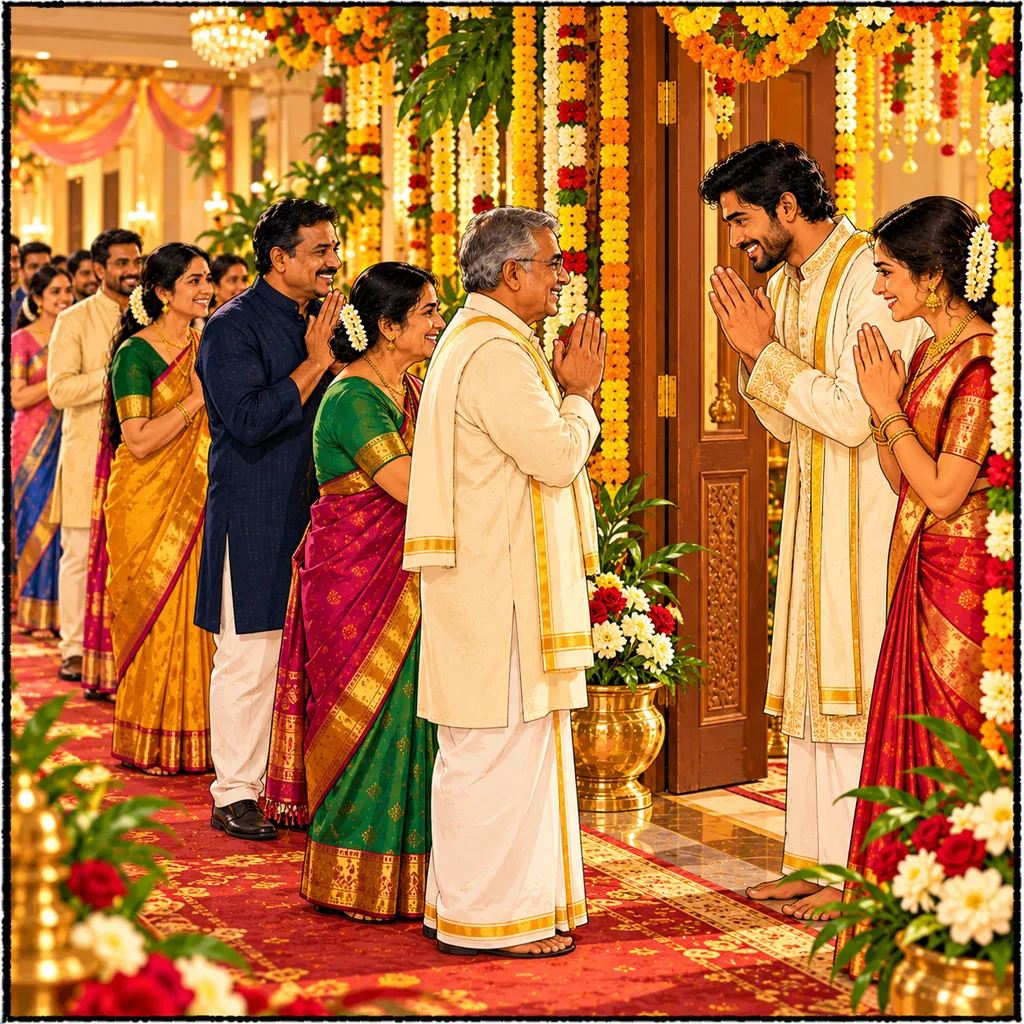
A namaste keeps a respectful distance and needs no skin contact, so no germs pass from hand to hand. It needs no shared language, and one bow can greet a whole room at once.
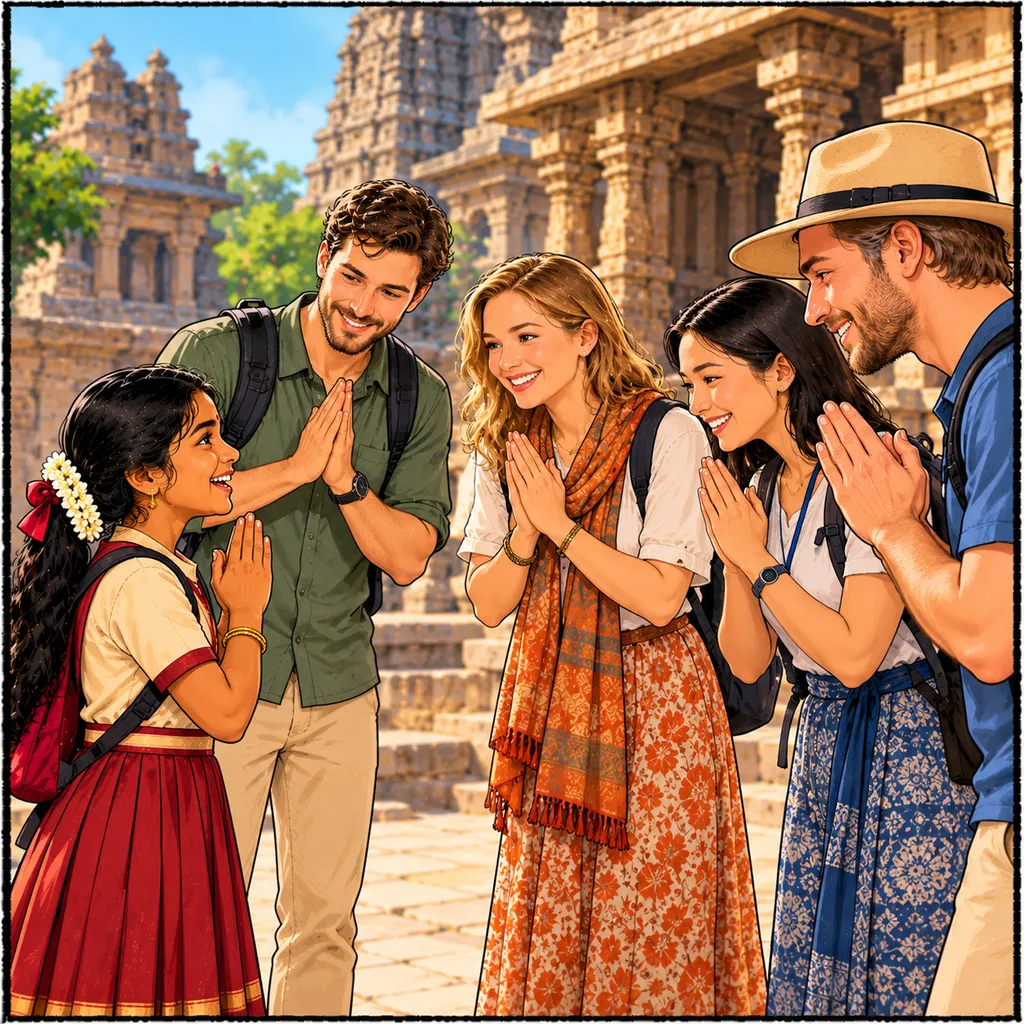
Namaste is respect and hygiene in one gesture, which is why the world reached for it in a pandemic. Use it with pride, and keep the other half of the tradition too: wash your hands.
Every scientific claim here is backed by published research, listed under Sources. This is general information, not medical advice.
Frequently asked questions
What does namaste mean?+
Namaste comes from Sanskrit and means 'I bow to you'. It is said with the palms pressed together at the chest and a slight bow, as a sign of respect.
Is namaste more hygienic than a handshake?+
Yes. Hands are a main route for spreading germs, and a 2014 study found a handshake passes on about ten times as many bacteria as a fist bump. A namaste involves no touch at all.
Why did namaste become popular during COVID-19?+
In 2020, health experts advised people to stop shaking hands. World leaders and public figures greeted each other with a namaste as a respectful, no-touch alternative.
Sources
- Mela S., Whitworth D. E. The fist bump: a more hygienic alternative to the handshake. American Journal of Infection Control, 2014; 42(8): 916-917.
- Sklansky M. et al. Banning the handshake from the health care setting. JAMA, 2014; 311(24): 2477-2478.
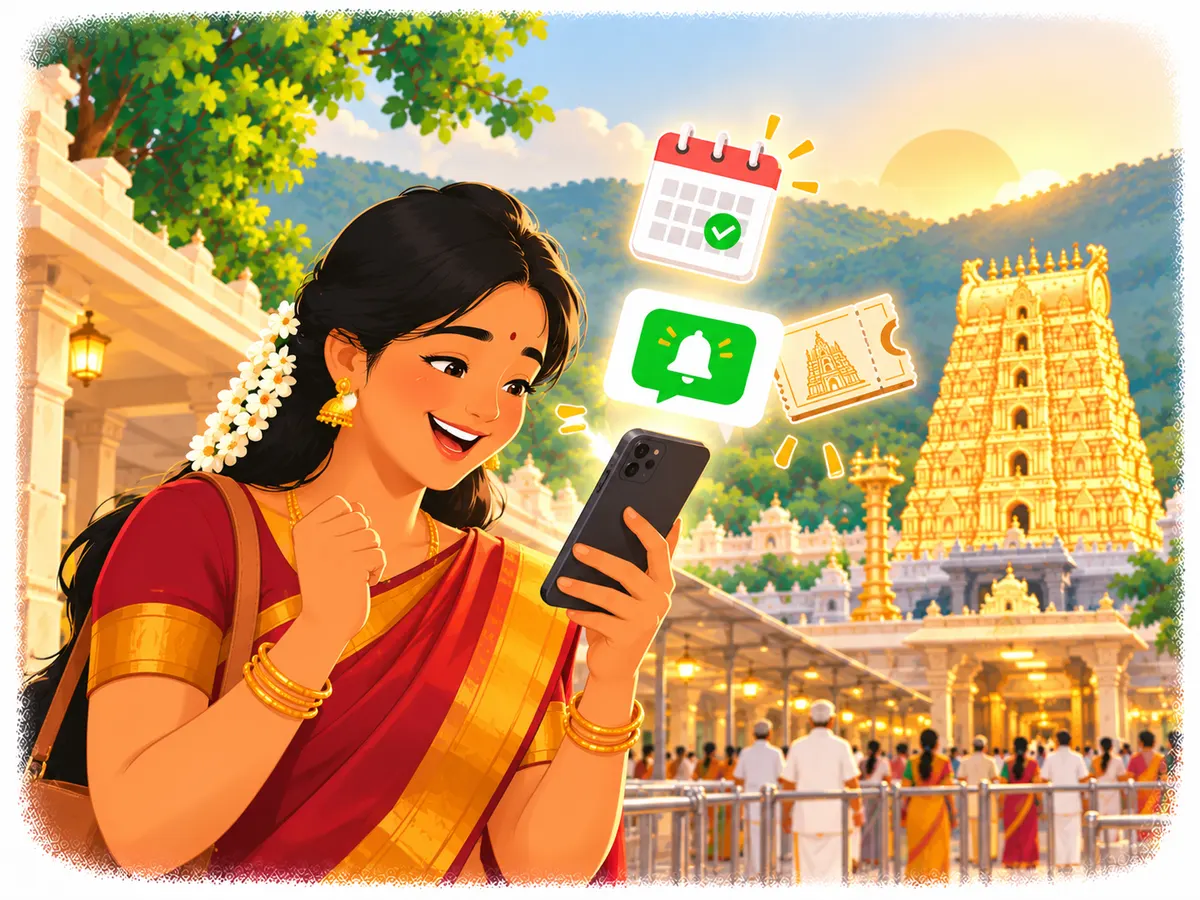
Planning a Tirumala visit? Get an alert when darshan for your dates opens.
Get a Telegram alert when your dates open
Popular dates for ₹300 darshan, sevas and rooms can go quickly. Register and we message you on Telegram when your dates open, and again when cancelled tickets come back.
Free to register · ₹99 per date watch · You book on the official TTD site
Don't lose your darshan to a refresh button
You plan the Tirumala trip. The ₹300 ticket is the part that slips away.
- You set an alarm, refresh the TTD site at release time, and your dates are already gone.
- The train is booked and leave is approved, but the darshan ticket isn't.
- Touts and fake sites ask far more than the official price for a 'confirmed' ticket.
₹99 + GST
₹116.82 in total per date you watch. Signing up is free.
That's about the price of a family's tea and biscuits at the station.
Compare that with a wasted trip to Tirupati, a lost day of leave, or paying a tout.
🔔 Watch my Tirumala datesFree signup · Pay only when you set a watch · Refund if no alert comes in your window
Independent service. Not affiliated with TTD. All bookings happen on the official TTD website ttdevasthanams.ap.gov.in.