Ancient wisdom, modern science
Ekadashi: The Fortnightly Fast

Twice a month, on Ekadashi, the 11th day of each lunar fortnight, millions of Hindus fast. Some skip grains, some eat only fruit and milk, and some take only water until the next morning.
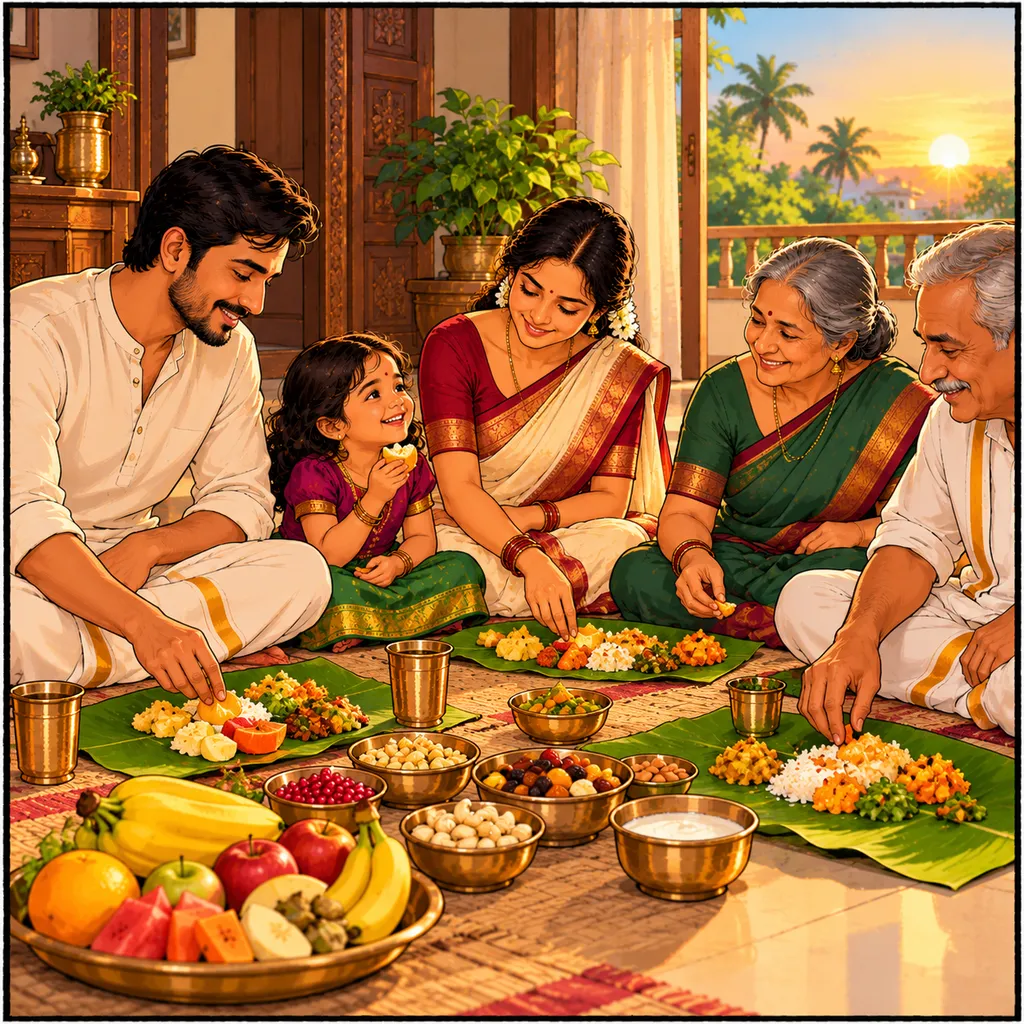
Our tradition tied the fast to the moon, so it returns every 15 days: regular, and never too long. The fast rests the body and quiets the mind, and it is broken gently the next morning, at Dwadashi parana.
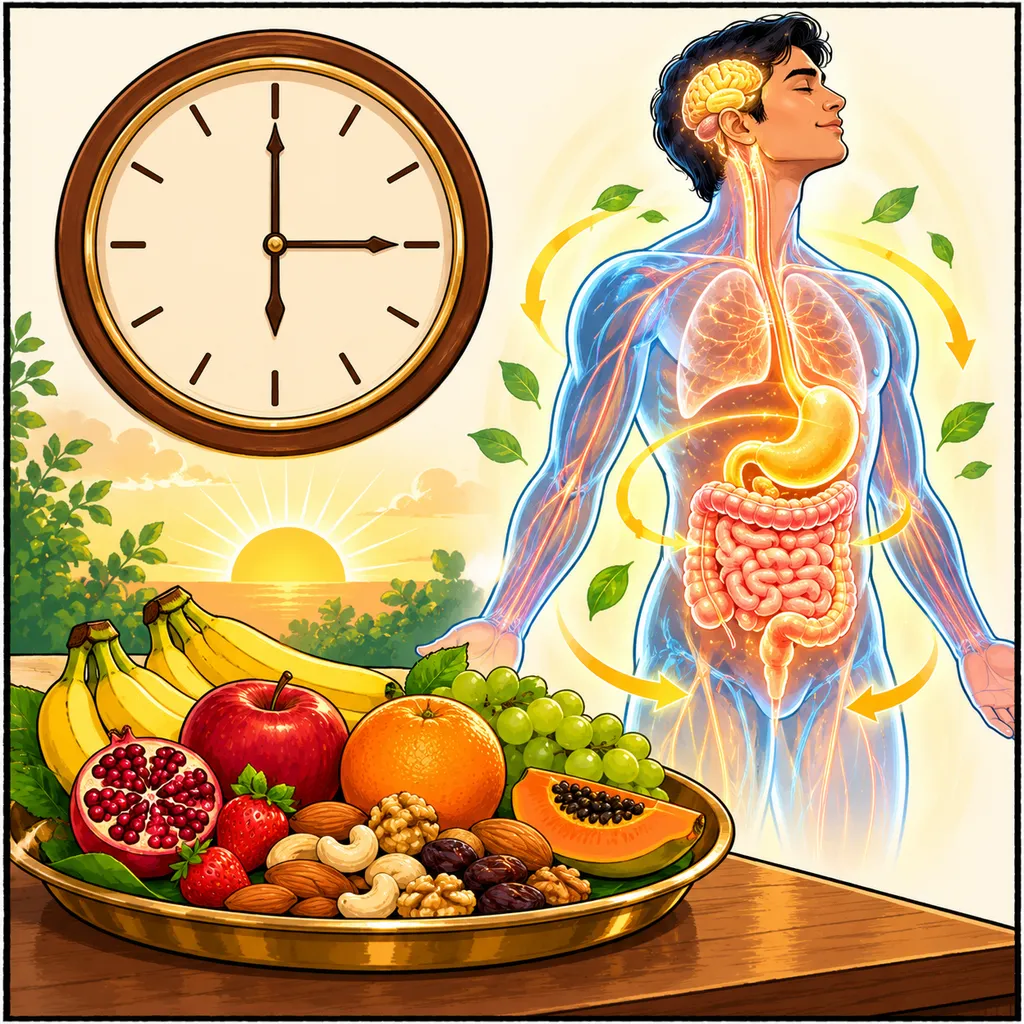
Modern science studies the same pattern under a new name: intermittent fasting. Reviews of research in people find that regular periods without food can improve blood sugar control, blood pressure and weight.
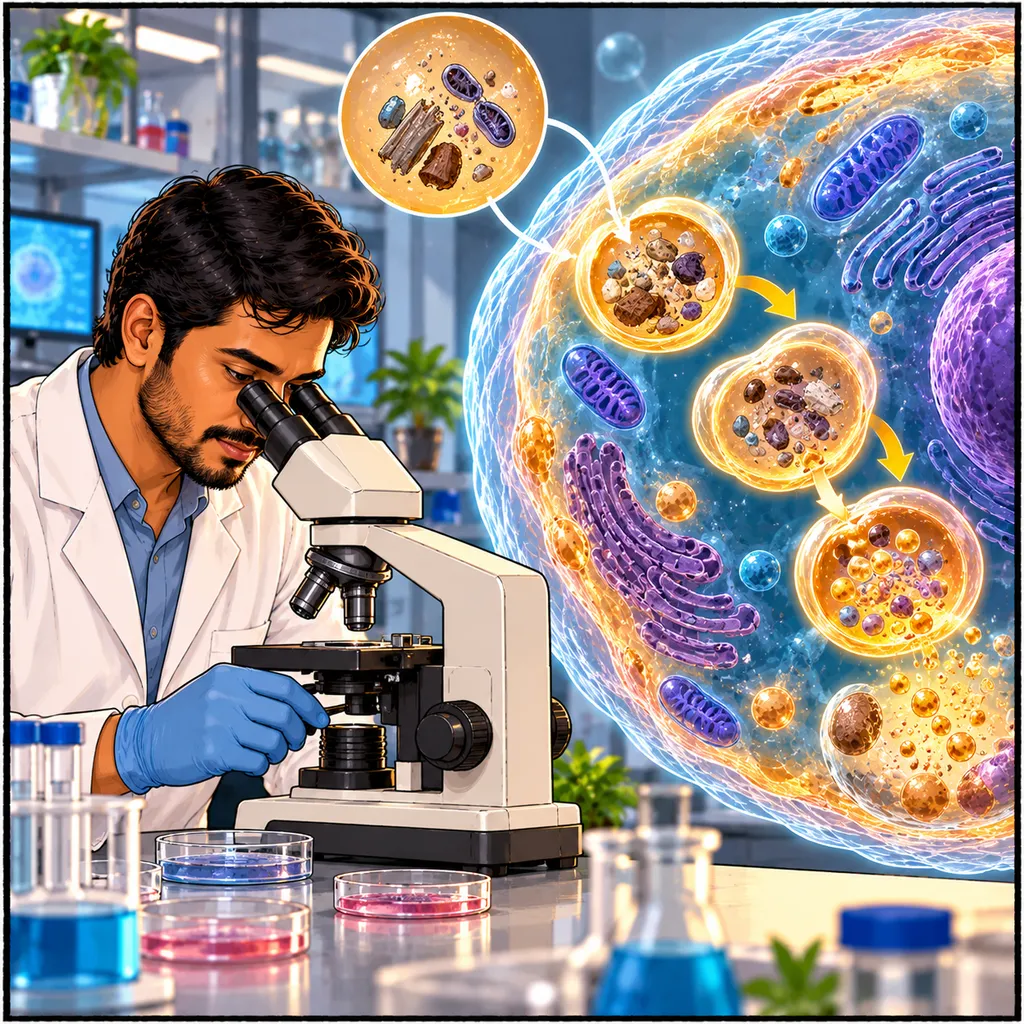
In 2016 the Japanese scientist Yoshinori Ohsumi won the Nobel Prize in Medicine for discovering how autophagy works: the cell's way of breaking down and recycling its own worn-out parts. Lack of food is one of its strongest triggers.
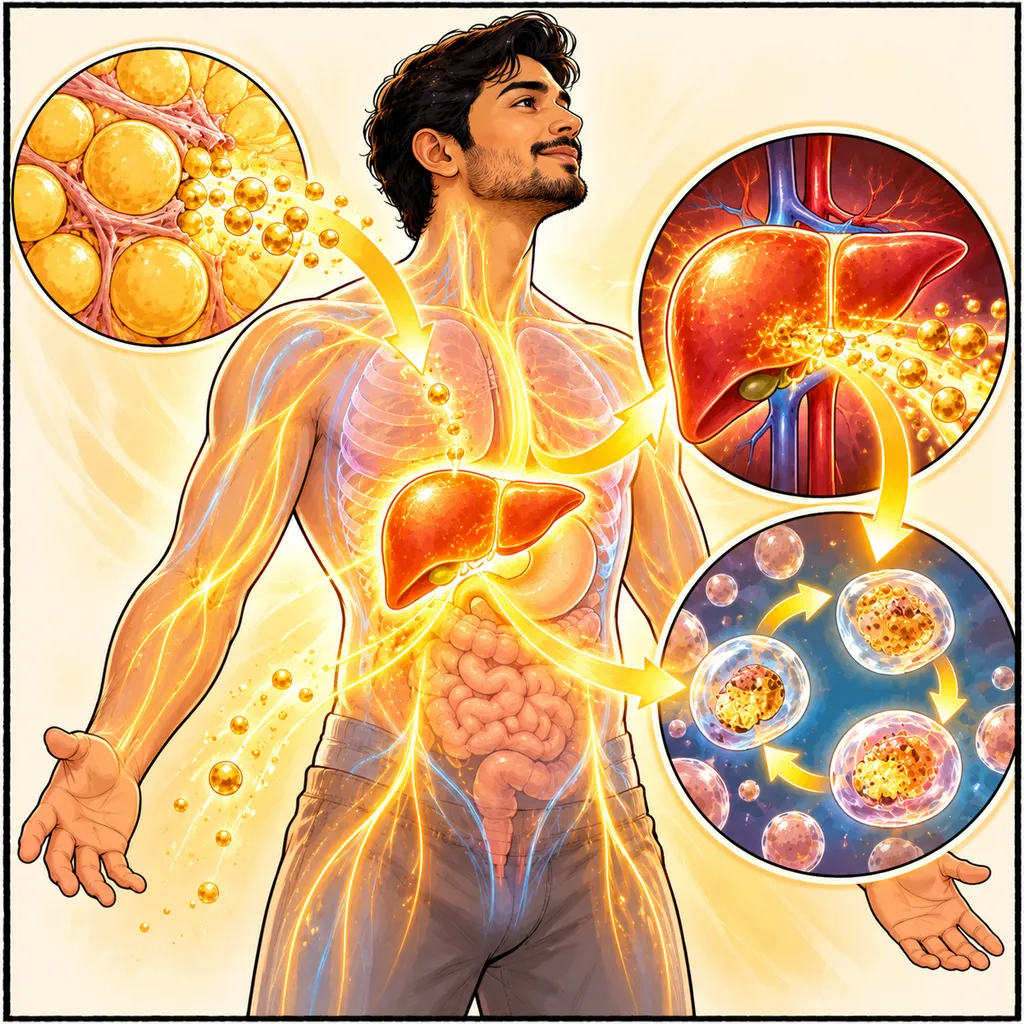
After many hours without food, the body uses up its stored sugar and switches to burning fat, and cells turn to repair and recycling. A regular fast-then-feast rhythm gives the gut and metabolism a planned rest.

A fortnightly fast is gentle, regular and built into the calendar, which makes it easy to keep for life. People with diabetes, pregnant women, children and older people should check with a doctor before fasting.
Every scientific claim here is backed by published research, listed under Sources. This is general information, not medical advice.
Frequently asked questions
What is Ekadashi fasting?+
Ekadashi is the 11th day of each lunar fortnight, so it comes twice a month. Hindus fast in different ways, from skipping grains to eating only fruit and milk or taking only water, and break the fast the next morning.
Is Ekadashi fasting the same as intermittent fasting?+
It follows the same idea: regular periods without food. Research on intermittent fasting finds benefits for blood sugar, blood pressure and weight. Ekadashi builds that rhythm into the calendar every 15 days.
What did the 2016 Nobel Prize have to do with fasting?+
Yoshinori Ohsumi won it for discovering how autophagy works, the process by which cells recycle their own worn-out parts. Lack of food is one of the strongest triggers of autophagy.
Sources
- de Cabo R., Mattson M. P. Effects of Intermittent Fasting on Health, Aging, and Disease. New England Journal of Medicine, 2019; 381: 2541-2551.
- The Nobel Prize in Physiology or Medicine 2016: Yoshinori Ohsumi, for his discoveries of mechanisms for autophagy. NobelPrize.org.

Planning a Tirumala visit? Get an alert when darshan for your dates opens.
Get a Telegram alert when your dates open
Popular dates for ₹300 darshan, sevas and rooms can go quickly. Register and we message you on Telegram when your dates open, and again when cancelled tickets come back.
Free to register · ₹99 per date watch · You book on the official TTD site
Don't lose your darshan to a refresh button
You plan the Tirumala trip. The ₹300 ticket is the part that slips away.
- You set an alarm, refresh the TTD site at release time, and your dates are already gone.
- The train is booked and leave is approved, but the darshan ticket isn't.
- Touts and fake sites ask far more than the official price for a 'confirmed' ticket.
₹99 + GST
₹116.82 in total per date you watch. Signing up is free.
That's about the price of a garland and a coconut at the temple gate.
Compare that with a wasted trip to Tirupati, a lost day of leave, or paying a tout.
🔔 Watch my Tirumala datesFree signup · Pay only when you set a watch · Refund if no alert comes in your window
Independent service. Not affiliated with TTD. All bookings happen on the official TTD website ttdevasthanams.ap.gov.in.